
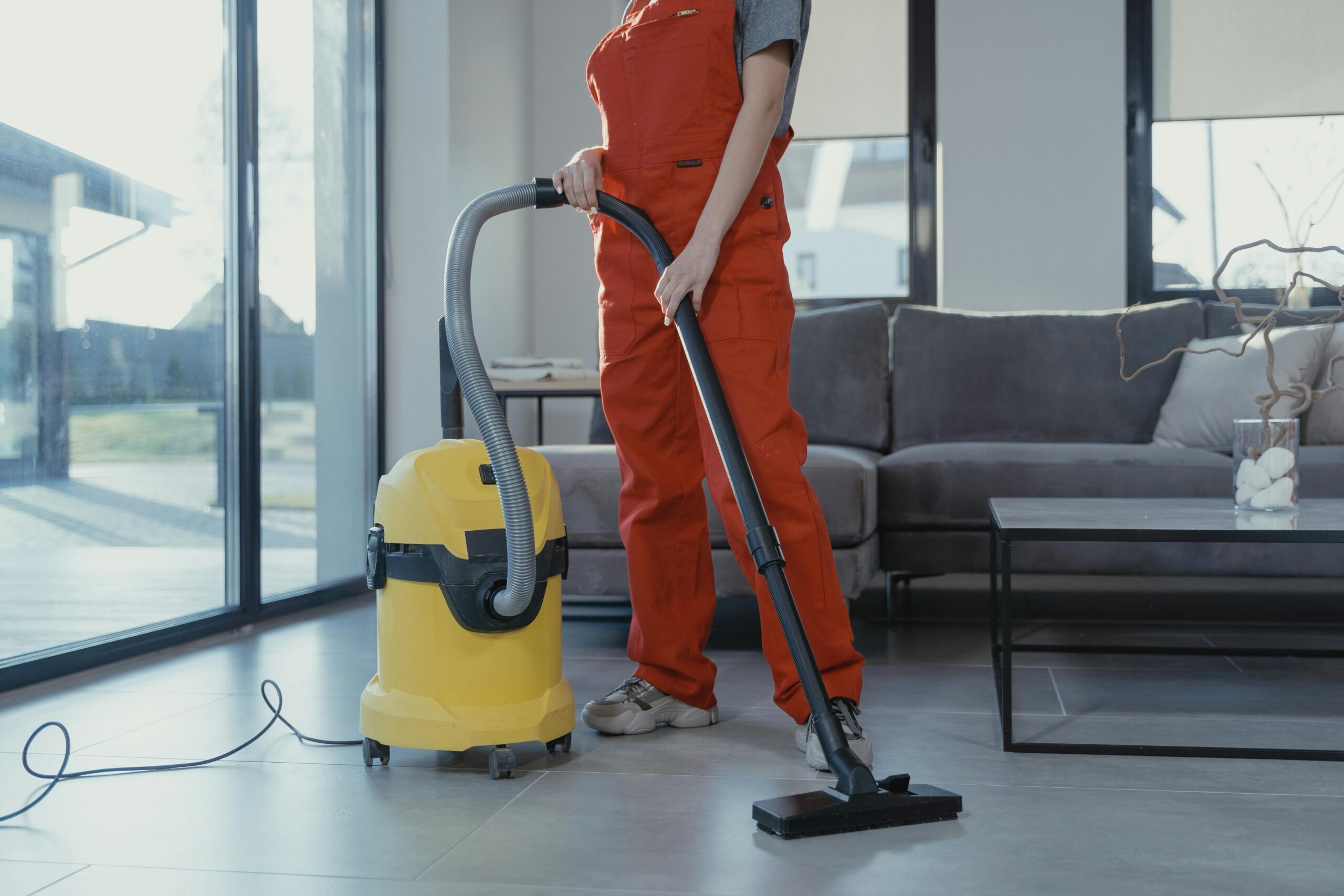

Colombia’s labor reform introduces important changes that strengthen the rights and protections of domestic workers. The new legislation brings employment conditions for household workers closer to those enjoyed by employees in other industries by establishing clearer labor standards and employer responsibilities.
One of the most significant changes reduces the maximum number of hours that domestic workers—including live-in employees—may work each day and week. Once the new law becomes effective, employers must adjust work schedules to comply with the updated limits established by the labor reform.
The legislation also requires every employer to sign a written employment contract with their domestic worker. This requirement applies to full-time, part-time, and per-day employees alike. Each contract must specify essential employment terms, including job duties, working hours, wages, and all legally required benefits.
In addition, employers must register the employment contract with Colombia’s Ministry of Labor. This registration process strengthens legal protection for both parties, creates greater transparency in the employment relationship, and enables labor authorities to monitor and enforce compliance with the country’s labor laws more effectively.
Maximum Hours Domestic Workers Can Work Under the Reform
The reform sets the daily work limit for domestic workers at 8 hours. Employers must pay overtime for any work beyond that limit or nighttime surcharges for work after 7:00 p.m.
The reduction in working hours for domestic employees builds on the changes introduced by Law 2101 of 2021, which established a phased decrease in Colombia’s maximum legal workweek.
At present, employees may work up to 46 hours per week under Colombian law. As part of the government’s implementation schedule, the maximum workweek will decrease to 44 hours by July 2025. The reduction applies to all employees, including domestic workers. Beginning in July 2026, the legal limit will be further reduced to 42 hours per week.
The labor reform also eliminates the unequal treatment that previously existed between live-in and live-out domestic workers. Until now, live-out employees have followed the standard legal workweek, while employers could require live-in domestic workers to work up to 10 hours per day. Under the new legislation, both groups will be subject to the same maximum working-hour limits, creating more consistent labor standards across the domestic service sector.
Salaries and Benefits for Domestic Workers
Learn about the salary and benefits you must pay your Colombian maid or domestic worker, known as an empleada doméstica, to avoid penalties! Law 1788 of 2016 governs bonuses and vacation pay for domestic workers. Read our article on Salary and Benefits for Colombian Maid or Domestic Worker in order to help you calculate the total benefits you must pay your Colombian maid twice a year.



One Comment